
Treatments, and How to Heal Your Skin Barrier
Sensitive skin isn’t just a trend—it’s a growing concern affecting a large percentage of people
today. If your skin reacts easily to products, weather changes, or even stress, you’re not alone.
Understanding what’s happening beneath the surface is the first step toward restoring calm,
balanced, and healthy skin.
What Is Sensitive Skin?
Sensitive skin is not a formal medical diagnosis, but rather a condition defined by heightened
reactivity. According to dermatology insights from Parks Dermatology, individuals with sensitive
skin often experience:
● Redness
● Stinging or burning
● Dryness or tightness
● Irritation from common products or environmental exposure. At its core, sensitive skin is closely tied to a compromised skin barrier—the outermost layer
responsible for locking in moisture and protecting against irritants.
When this barrier is weakened, water escapes more easily (a process known as trans epidermal water loss), leaving skin dry, vulnerable, and reactive.
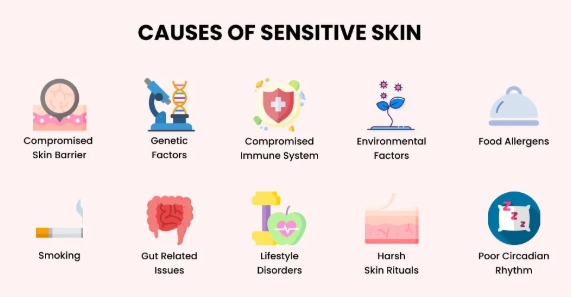
Common Triggers of Sensitive Skin Understanding your triggers is essential for managing flare-ups. Dermatology sources highlight several key culprits:
1. Environmental Changes
Shifts in temperature, humidity, and seasonal transitions can stress the skin barrier, leading to
dryness and irritation.
2. Skincare Products
Harsh ingredients, fragrances, alcohol, and even some “natural” oils can irritate sensitive skin.
3. Over-Exfoliation
Physical scrubs and aggressive treatments can cause micro-damage, worsening sensitivity.
4. Allergens & Irritants
Pollen, pollution, and certain fabrics can trigger inflammation and redness.
5. Underlying Skin Conditions
Conditions like eczema, dermatitis, and rosacea are often linked to barrier dysfunction and
increased sensitivity.
Why the Skin Barrier Matters
Think of your skin barrier as your body’s built-in shield. When it’s healthy, it:
● Retains hydration
● Protects against irritants
● Maintains smooth, resilient skin
When it’s damaged, skin becomes reactive, dry, and inflamed. The goal of any sensitive skin
routine should be simple: repair and protect the barrier.
Effective Treatments for Sensitive Skin
1. Simplify Your Routine
Dermatologists recommend focusing on the essentials:
● Gentle cleanser
● Hydrating moisturizer
● Daily sunscreen
2. Focus on Hydration
Moisture is critical for restoring barrier function. Ingredients like ceramides, lipids, and
humectants help rebuild the skin’s structure.
3. Avoid Known Irritants
Eliminate products with:
● Fragrance
● Alcohol
● Harsh exfoliants
4. Support Barrier Repair
This is where advanced solutions—like barrier-supportive fabrics and occlusive therapies—play a powerful role.
How Bee Well Therapeutics Supports Skin Barrier Healing
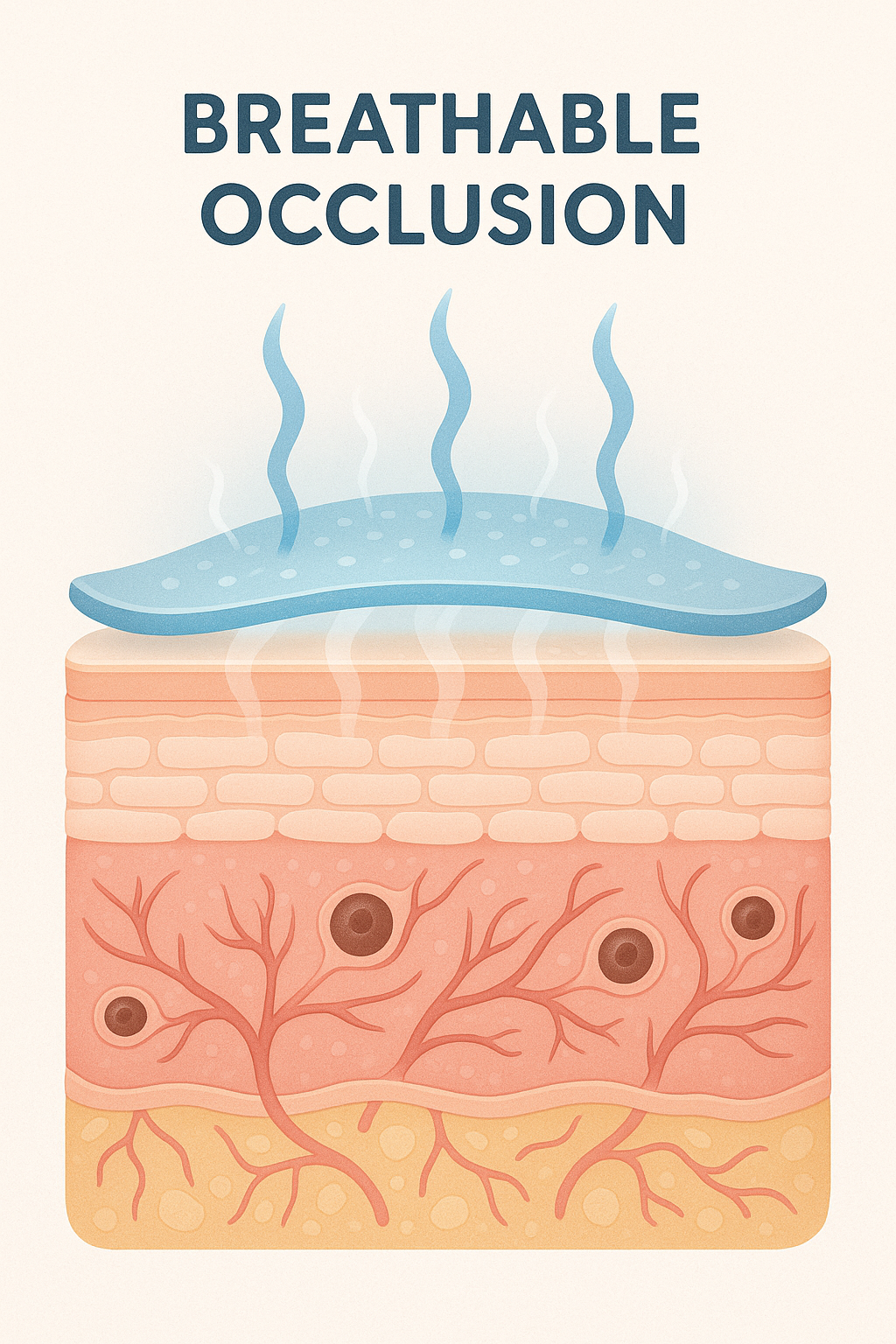
Bee Well Therapeutics introduces a unique, dermatologist-informed approach to treating
sensitive skin: breathable occlusion.
Unlike traditional methods that can trap moisture too aggressively or absorb your products, Bee
Well’s technology uses beeswax-infused fabric to create a semi-occlusive barrier that:
● Locks in hydration
● Keeps topical treatments in direct contact with the skin
● Enhances absorption at a deeper level
● Allows the skin to breathe naturally
This approach is especially beneficial for:
● Eczema and dermatitis
● Dry, irritated, or reactive skin
● Post-procedure healing
● Chronic barrier damage
By maintaining consistent hydration and improving the effectiveness of topical products, Bee Well Therapeutics helps restore the skin barrier faster and more effectively.
The Takeaway: Calm Skin Starts with a Strong Barrier
Sensitive skin isn’t something you have to “live with”—it’s something you can manage and
improve with the right strategy.
When you:
● Identify triggers
● Simplify your routine
● Prioritize hydration
● Support your skin barrier
—you create the ideal environment for your skin to heal.
Innovations like those from Bee Well Therapeutics take this a step further, offering a
science-backed way to protect, repair, and strengthen your skin from the outside in

Leave a comment
This site is protected by hCaptcha and the hCaptcha Privacy Policy and Terms of Service apply.